
 EN
EN


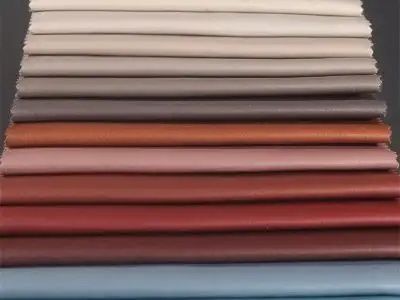
When your leather-look fabric sample arrives from WANXIE, you'll want to give it a good inspection. These materials are becoming increasingly popular because they offer the aesthetic appeal and lower cost of genuine leather. However, the quality of leather-look fabrics can vary dramatically. Some can be highly prone to defects, making them flimsy and difficult to maintain. By knowing what to look for on your sample, you can ensure you choose a fabric of the quality that you want. Here's what you need to know about inspecting a leather-look fabric sample and the kinds of common defects to spot
Start by closely inspecting the surface of your leather-look fabric sample. Does the material appear to be smooth and even? Any raised bumps or irregular texture points to poor manufacturing and should immediately set off alarms. Check the fabric for an even color throughout the sample. Uneven tones of dark or lighter colors point to inconsistencies in the dye application. Examine the edges of your leather-look sample; are they crisp, and is there any hint of fraying at the edges? If the edge looks loose or is beginning to come apart at the seams, this suggests that you have a poor-quality material. A well-made leather-look fabric sample should be pliable; try bending a small section of it at the edges and notice if it cracks. If the material feels stiff or begins to break upon being bent or folded, the quality of this fabric is low. Finally, consider the smell of your leather-look fabric. If there's a strong chemical odor coming from the sample, this is another indicator of low-quality materials
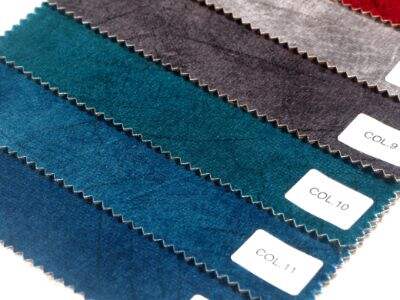
There are several issues to look out for in a leather-look fabric sample. "Peeling," in which the top layer is separate from the underlying layer of material, is a major issue that most leather-look fabrics suffer from at some point in their lives, but there are several materials that are highly prone to it due to poor construction and treatment. You can spot it on a sample by gently running your fingernail against the surface of it; if the material is peeling away, bits of material flaking off should tell you that this leather-look fabric is of low quality. Color-fading is the issue with a fabric sample showing much lighter or darker patches on areas where the dye was perhaps not applied correctly, or where the material will fade more easily in the sun or during repeated washes. Colorfastness can also be an issue-test it on a white fabric sample to check if it rubs off easily. You should be wary of a material that seems to split when you bend it or crack. Finally, think about water resistance, especially if the leather-look fabric is to be used somewhere that it could become wet. If a small drop of water soaks into the fabric readily it might indicate that the leather-look fabric isn't water resistant and therefore not a practical choice for its purpose. These are all important issues to check for in a leather-look fabric sample from WANXIE
When you check the finish of your leather-look fabric sample, remember that you should examine the entire surface of it with careful consideration of its feel, texture and overall aesthetic. Is the finish of your leather-look sample smooth or heavily textured? Both variations are acceptable depending on the design intent, but when you're checking your sample you should think of whether the fabric feels soft to the touch or if it feels too "plastic-like." When you look closely at the leather-look fabric sample you should also check the color consistency across its surface. There should be no obvious spotting, or uneven patches and faded areas. Try tilting your leather-look fabric sample in the light to spot any obvious scratch marks and imperfections. When you bend your leather-look sample check how well it does so. Does it develop any creases and then unfold them? Does it begin to crack if bent? You should be sure that your leather-look fabric sample will tolerate reasonable movement and will not show excessive signs of wear and tear when bent. Consider looking for information about the fabric composition on the sample and any labeling provided by WANXIE
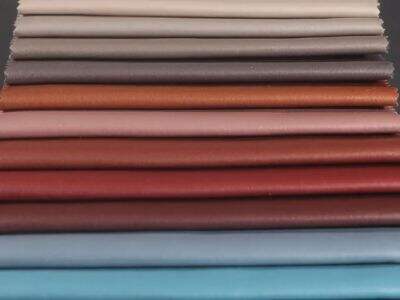
When you are purchasing leather-look fabrics wholesale there are many venues in which to do so. If you're at a fabric trade show, these are often perfect for discovering high-quality materials. It's also important to be aware that the quality and price points will vary between all of the producers exhibiting there and you will need to do plenty of comparative shopping with all the various samples available. Online wholesalers are an increasingly important method for purchasing fabrics. By visiting their sites, you can view available ranges, and even order sample materials for inspection prior to purchasing in bulk. Finally, fabric stores, though they usually don't carry vast amounts of materials will be a good option for you if you'd prefer to inspect the fabric samples by hand in person prior to making a purchase. Remember to investigate reviews and ratings if you are unsure of the quality of a specific leather-look fabric supplier such as WANXIE
One of the most frequent complaints about leather-look fabrics is their tendency to feel "hot" or "sticky" against the skin or to stick to surfaces because the materials are not very breathable. When purchasing your materials, investigate which fabrics are designed for optimal breath-ability, or perhaps use the fabric in applications that won't be an issue. One common cause of wear and tear is fading due to exposure to the sun. To avoid this, try to minimize the exposure of your leather-look fabrics to direct sunlight or make use of fabric treatment processes to ensure adequate UV resistance of the materials; some materials can even come with their own UV resistant treatments. It is often important to follow care instructions precisely for your leather-look fabric to avoid damage and wear. Incorrect cleaning practices can affect materials of low quality and can result in damage over time so try to only use a damp cloth, mild detergent, and be aware of anything that should be avoided, such as chemical treatments; always do a patch test of cleaning products to an obscure area first. Leather-look fabrics are often less durable than genuine leather so they may rip and tear easily; to avoid wear and tear protect them from sharp objects and ensure any seams are properly reinforced. Taking simple precautions will assist you to avoid most common leather-look fabric problems

Welcome to WANXIE, We provide leather look fabric, velvet and all kinds of knitting fabric, which has gained immense popularity in the market, Welcome to consult!


