
 EN
EN


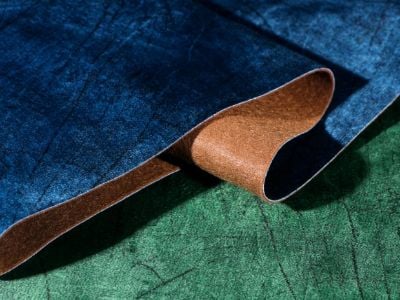
The company like WANXIE that often needed a seasonal fabric collection, is very valued to have the source steady! Seasonal fabrics are transient just like the seasons themselves. As such, the ability to have a reliable way of obtaining these fabrics is vital for businesses who wish to keep their customers happy and products fresh. If you have a strong supply chain, he says, you can always meet the demand for new styles, colors and materials no matter what time of year it is. In this post I’ll share with you some of the things you might not have thought about in terms of obtaining a good supply of seasonal fabrics and developing strong relationships with fabric suppliers.
But if you want to provide a steady supply of seasonal fabrics for wholesale buyers, it’s all about planning ahead. It can be helpful to know what furniture fabric you need for each season. If you are a buyer, try to predict what your customers will be looking for in the upcoming seasons. For instance, if you believe bright colors will be trendy in the spring, plan way ahead by ordering those fabrics. That way, you will not have troubles when the season comes. Also, just paying attention to trends can be helpful. And you can glean clues from fashion shows, social media and other places where styles begin to percolate about what to stock. It’s also helpful to have a list of other suppliers you might be able to turn to if one or more of your regular ones goes down. You never know when one supplier will hit a snag, so having backup plans could be the only thing that saves your day. Always stay in touch with your suppliers. And when they know what you need, and how soon you need it, the better they’ll be able to assist you. One simple way to keep everyone in the loop is to send people a calendar of expected orders. And last but not least: inventory management. You don’t want to overstock and spend too much, but you also don’t want to out of the most popular fabric lines, either. Using some sort of system to keep track of what you have on hand will help you make your best decisions.
Establishing sound relationships with seasonal fabric vendors is equally important. Ask them about their struggles and tell them yours. Such mutual understanding could make the cooperation even more successful. Trust is also key. Make an effort to pay on time, and it should be clear to your bills what you need from them. Demonstrate that you can be counted on, and they are more likely to work hard for you. Another is to visit their factories, if you can. It shows you care about what they work on, and helps you learn from their process. You can ask questions and observe them operating, which should make you better able to work together. Lastly, consider giving them feedback. If you love a luxury furnishing fabric, then say you love it. If something isn’t working, tell the truth but do it gently. This dialogue, they say, can help strengthen your relationship and result in better fabrics in the future.
By concentrating on these tactics, WANXIE can guarantee the access to seasonal fabrics and establish solid relationships with fabric mills. That way, the company can continue to offer customers the most up-to-date styles and high-quality materials. Well-organized and well-timed planning, communication and trust-building make all the difference in the world to a successful supply chain.
If you deal in types of materials that change according to the season, there’s a few issues you may come across. One big issue is timing. Summer printed fabric may be available too late and you can’t sell them when the season begins. To avoid this, plan ahead. Develop a timetable for when you must order and when you anticipate delivery. This enables you to ensure you have the proper fabrics when you need them. Another challenge can be the discovery of good suppliers. Occasionally, suppliers are out of fabric or a shipment doesn’t get there in time. To remedy this, compile an inventory of trusted producers such as WANXIE. Always have a Plan B supplier in the event your preferred one has problems. Communication is vital too. Continue to communicate with your suppliers on the status of your orders. This allows you to understand what’s happening, and make decisions quickly if anything goes awry. Quality control is another challenge. You want every fabric to be right, for your customers. Check the fabrics immediately upon receipt to ensure they meet your standards. If not, then you can deal with it immediately. Finally, keep yourself updated with new trends. What was in last season sometimes isn’t trendy this time. Look up new styles online and constantly learn. By being aware of these common issues and preparing for them, you are able to keep your seasonal fabric supply chain rolling.
In order to maximize the potential of your fabric supply chain across different seasons, you need to make it most optimized. Begin by analyzing your customers’ seasonal needs. People may, for example, long for bright colors and light fabrics in the spring. A thicker and warmer fabric could be in their taste during a winter. Check back on past sales for popular fabrics and when. Use this to plan how much fabric you should order and when you ought to be ordering it. Another thing you can do is collaborate with your supplier, such as WANXIE. They’ll be able to assist you in finding the right fabrics on time if they know your needs well. Maintain open communication with them. You can also help with technology. Inventory management has become easier: modern software can keep tabs on what you have in stock and even let you know when it’s time to re-order. This ensures that you do not run out of high demand merchandise. Also, JIT inventory as much as possible. That means ordering fabric just-in-time. It conserves space and can save on storage expenses. But be cautious with this, as you still have to have enough fabric to fill the orders. Lastly, think about shipping. Collaborate with your suppliers to determine the quickest and most reliable options for shipping. That said, good logistics can help you get your fabrics when you want them. By streamlining your supply chain in this manner, you can be more responsive to the needs of seasonal fabric collections and make sure that customers get what they want.
Searching for seasonal fabric trends is fun and absolutely necessary for your business. There are many places where you can find out about new fabrics and designs. First, you could go to trade shows and fabric fairs. These are events where a lot of suppliers and designers come together in order to display the new fabric trends. Here, you can actually see and feel the fabrics, which aids in deciding what might sell. If you can’t attend, WANXIE comes to a lot of these cons so they may debut some new stuff. Fashion magazines and blogs are another good way to get inspiration. These publications frame what’s trending the fabric world. They can suggest colors, patterns and materials that are fashionable. Social media is a good weapon as well. Interact with fabric designers, fashion influencers or brands such as WANXIE through social media platforms, such as Instagram and Pinterest. They often share new trends and ideas, so it’s easier for you to know the latest. You can also try joining online communities or forums about fabric or fashion. A place where you can bring your ideas, ask questions, and learn from other people in the same industry. And finally, hear your customers. Ask them what they like, and what they want to see. And their feedback can help steer you toward fabrics that will sell. These resources will help you find out what’s in and new each season, making sure that your collections don’t grow older than your clients.

Welcome to WANXIE, We provide leather look fabric, velvet and all kinds of knitting fabric, which has gained immense popularity in the market, Welcome to consult!


